
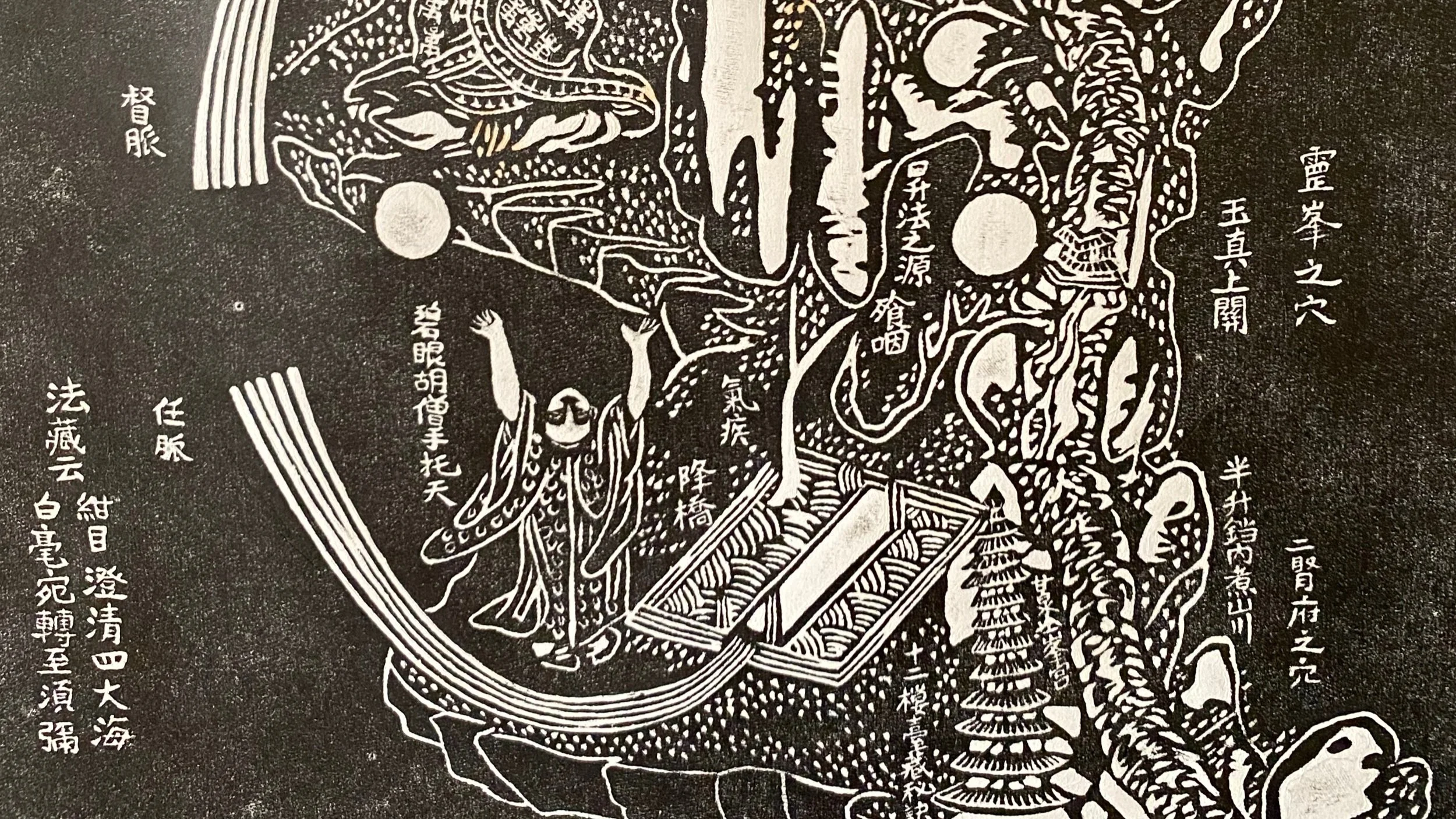
Qigong (pronounced “chi gong”) is an ancient Chinese discipline with origins dating back more than 4,000 to 5,000 years. The term is a combination of two Chinese words: “qi,” which primarily means breath or air but is often translated as "vital life force" or "universal energy," and “gong,” which translates to cultivation, work, or mastery attained through persistent effort. Together, Qigong describes a system designed to cultivate and balance the body's internal energy for health, meditation, and martial arts training.
Rooted in Traditional Chinese Medicine (TCM), Qigong is based on the theory that health problems arise when qi becomes blocked, stagnant, or unbalanced. The practice focuses on the “three regulations”: body focus (posture and movement), breath focus, and mind focus (meditative components and visualization). Practices are generally categorized into two types: dynamic qigong (more yang), which involves slow, fluid, and choreographed movements; and meditative qigong (more yin), which utilizes still postures, breath awareness, and mental focus with minimal physical movement.

Health Benefits of Qigong Research into Qigong has identified a wide array of physiological and psychological benefits:
Cardiopulmonary Health: Qigong practice is associated with a consistent reduction in blood pressure and improved heart rate variability. It has also been shown to improve lipid profiles and enhance lung function and exercise capacity in patients with Chronic Obstructive Pulmonary Disease (COPD).
Balance and Fall Prevention: For older adults, Qigong is effective in improving static and dynamic balance, coordination, and lower limb muscle strength. This significantly reduces the risk of falls.
Bone Density: Studies indicate that Qigong can help retard bone loss and increase bone mineral density, particularly in post-menopausal women.
Mental Health and Quality of Life: Qigong is a powerful tool for stress reduction, significantly decreasing anxiety and depression symptoms. It can lower cortisol levels—a biological marker of stress—and improve overall perceived well-being and quality of life.
Immune Function and Inflammation: The practice may boost the immune system by modulating blood markers like leukocytes and increasing antibody responses to vaccinations, such as influenza and shingles. It also helps reduce markers of systemic inflammation.
Chronic Condition Support: Qigong serves as a helpful complementary therapy for managing symptoms of fibromyalgia, Parkinson’s disease, and chronic pain, including neck and low back pain.
Because Qigong is a low-impact activity that can be practiced while standing, sitting, or even lying down, it is highly accessible for seniors and individuals with limited mobility or chronic illness.
“For the past two years I have received acupuncture and taken private Qigong classes regularly with Lok-Kwan. I am impressed with both the breadth and depth of his knowledge: he brings in fresh angles and insights so I always feel I’m learning something new. I am happy to have Lok-Kwan’s support on my path of healing from important health challenges.”
- Mor Ben Barak MD
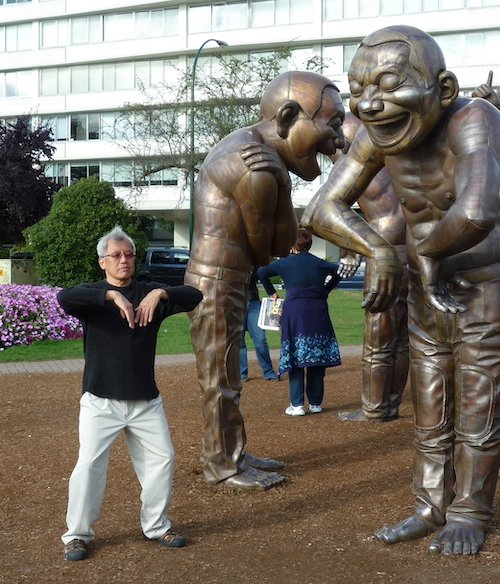
Laughter should always be part of Qigong, Vancouver
Lok-Kwan opened up a world of relief I did not think was possible with my neurological pain disorder (specifically a progressive disease of the sympathetic nervous system). After my first Qigong session I felt pain relief and continue to use his Qigong instructions and breathing techniques daily. For over a decade I tried countless medicines, opioids, surgeries and procedures from the "best" specialists in the Midwest. Lok-Kwan was the first to bring me consistent relief, and I am eternally grateful for him.
- Jake