
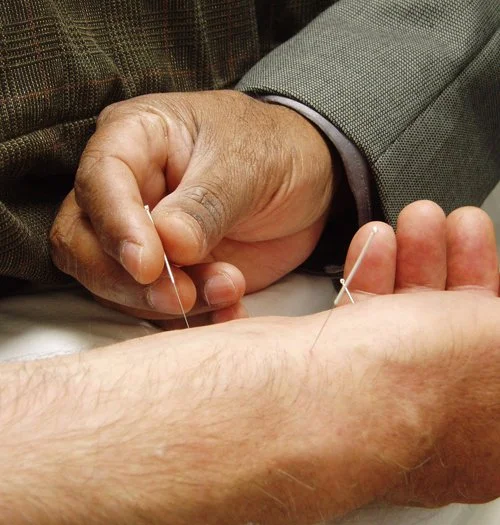
Traditional Chinese Medicine (TCM) Acupuncture
Acupuncture offers a wide range of benefits for physical health, mental well-being, and systemic balance by stimulating the body's natural healing processes.
1. Pain Management and Physical Recovery
Broad Pain Relief: It is effective in treating pain associated with lower back, neck, and knee issues, as well as tension headaches, migraines, and fibromyalgia.
Biological Mechanisms: Acupuncture acts as a natural analgesic by increasing beta-endorphins (the body's natural morphine) to reduce the perception of pain.
Inflammation Reduction: It increases the body's natural anti-inflammatories, such as cortisol precursors, which helps reduce inflammation and improve joint function and range of motion.
Injury Repair: The treatment can promote the growth of replacement tissue and help the immune system remove damaged tissue, making it useful for recovering from surgeries and injuries.
2. Mental Health and Stress Reduction
Stress Management: Acupuncture reduces stress by balancing the sympathetic nervous system (the "fight or flight" response).
Mood Enhancement: It is known to enhance mood and improve sleep quality.
Anxiety and Depression: Research indicates that even a single treatment can significantly reduce anxiety and provide near-immediate relief for depression.
Calming Effects: A common side effect of treatment is a lingering sense of calm and well-being caused by the release of relaxation-inducing hormones.
3. Systemic Health and Wellness
Immune and Hormonal Balance: It regulates the immune system and works on the pituitary and hypothalamus glands to balance hormone release and biochemical responses.
Treating the Root Cause: Unlike some Western treatments that focus only on symptoms, acupuncture and Traditional Chinese Medicine (TCM) aim to treat the underlying condition so that symptoms do not return.
Circulation and Brain Health: Treatments improve blood circulation and increase neuroplasticity by encouraging the brain to form new neural circuits.
4. Specialized Applications
Cancer Support: It can be used alongside Western therapies to reduce the side effects of radiation and chemotherapy, such as nausea, fatigue, and hair loss.
Performance and Memory: Acupuncture can improve athletic endurance, strength, and flexibility. It has also been shown to improve memory and test performance, with studies showing students committed fewer errors after treatment.
Weight Loss and Addiction: It helps stimulate metabolism, regulate fluid retention, and eliminate cravings for food, smoking, alcohol, and drugs.
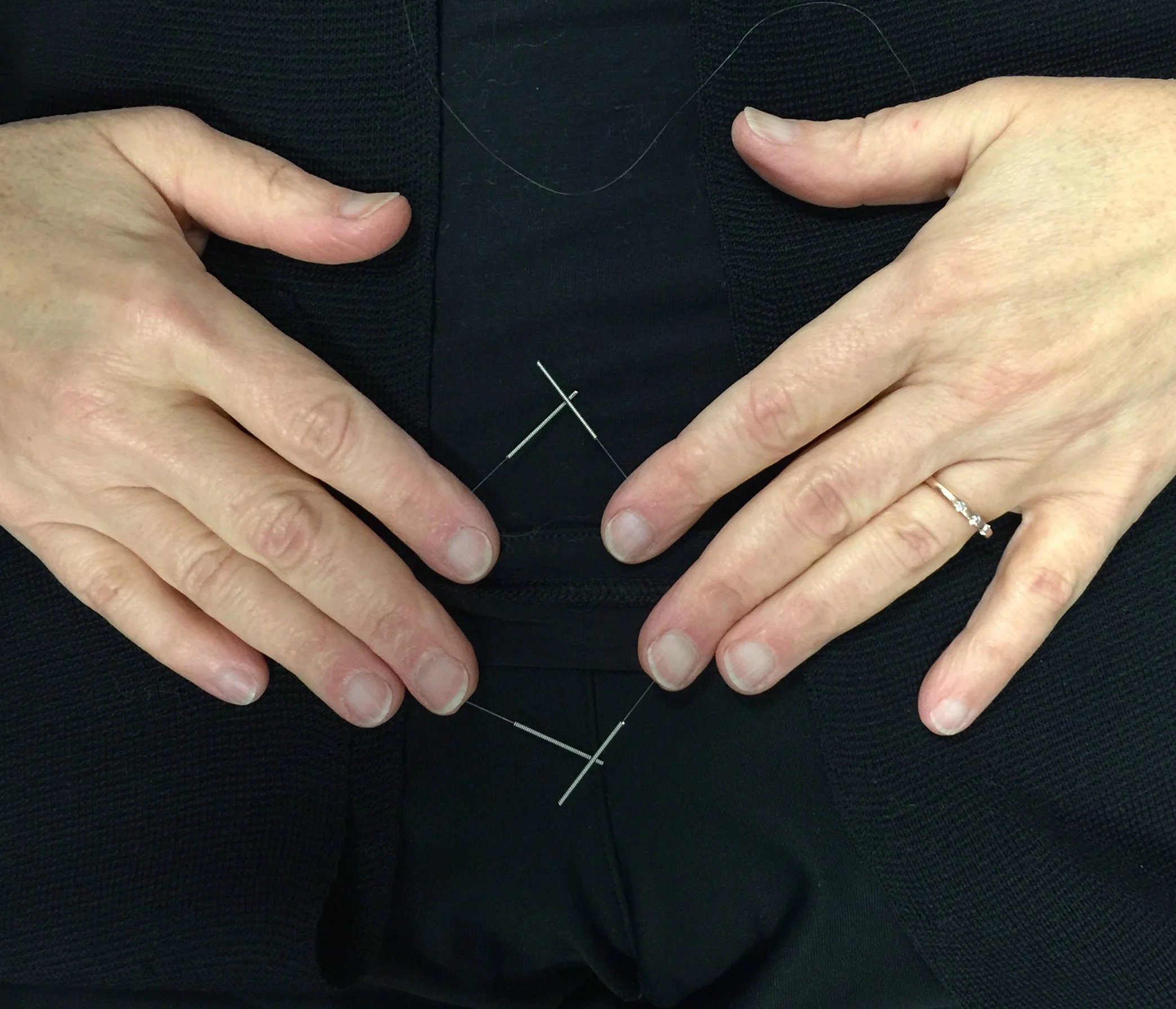
Pediatric Care: Children respond well to acupuncture, and specialized non-invasive techniques like "touch needling" or laser-puncture can be used for those who dislike needles.