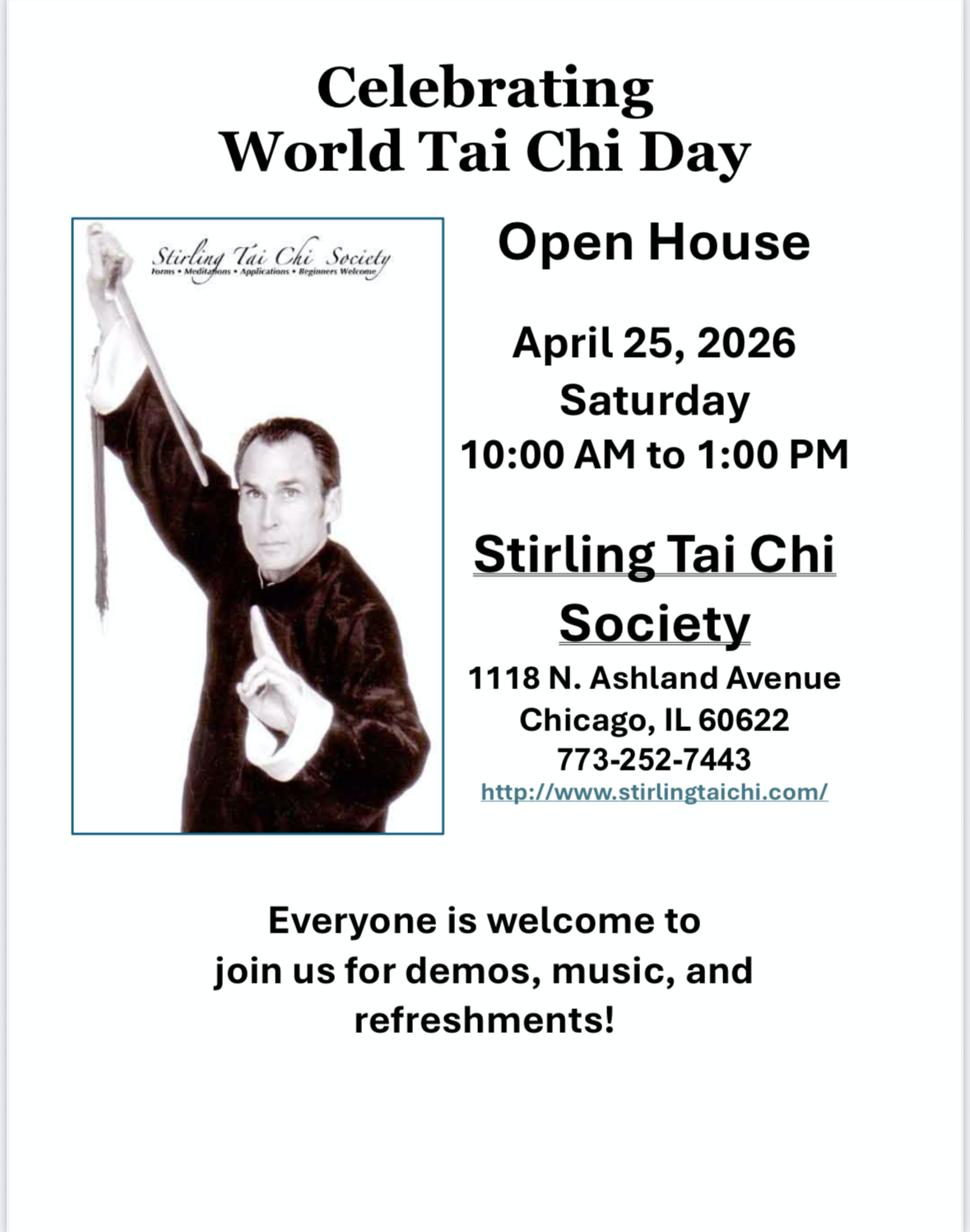
Qigong and Tai Chi are ancient Chinese practices that integrate physical movement, breathing, and meditation to improve health. Qigong is the older of the two, focusing on "energy cultivation" through simple, repetitive motions that are easy to learn. Tai Chi developed later as a martial art and uses complex, choreographed sequences of movements known as "forms".
Both practices share the same foundation: focusing on the body, breath, and mind. Research shows that both are effective for improving balance, heart health, and bone density while reducing stress and anxiety. While Qigong is often easier for beginners because it requires less memorization, Tai Chi appeals to those seeking a more structured physical challenge. These safe, low-impact exercises support the body’s natural healing powers and overall quality of life.
Qigong: Translates to "energy cultivation". It involves simple, repetitive movements that are easy to learn, making it ideal for beginners or those seeking gentle healing.
Tai Chi: Originally a martial art, it consists of complex, choreographed sequences called "forms". It requires more memorization and physical coordination than Qigong.
Physical Benefits: Research shows both practices effectively improve balance (reducing fall risk), cardiovascular health, and bone density.
Mental Well-being: These "moving meditations" significantly reduce stress, anxiety, and depression while boosting mood and sleep quality.
Choosing a Practice:
Select Qigong if you want an accessible, low-impact start focused on immediate relaxation and energy flow.
Select Tai Chi if you prefer a structured challenge with a focus on alignment and martial heritage.
My advice: both are great for physical and mental health. Tai Chi is physically more active and qigong is less demanding in that respect, so start your practice with either one, their benefits overlap. Qigong in it’s advanced stage is profoundly meditative and transcendental so if you have a spiritual leaning toward that, you may want to venture into qigong at some point.