
Neuro-Acupuncture and it’s Benefits
Lok-Kwan was introduced to Jiao Shunfa’s scalp acupuncture while in acupuncture school. It made a huge impression on him and he continued to study and then used it as soon as he went into practice in 2007. He treated numerous stroke patients. In 2017 he furthered his studies with Jason and Linda Hao of the Neuro-Acupuncture Institute in New Mexico, learning how to apply neuro-acupuncture for many other neurological conditions. He is a Level III graduate of the 2019 class.
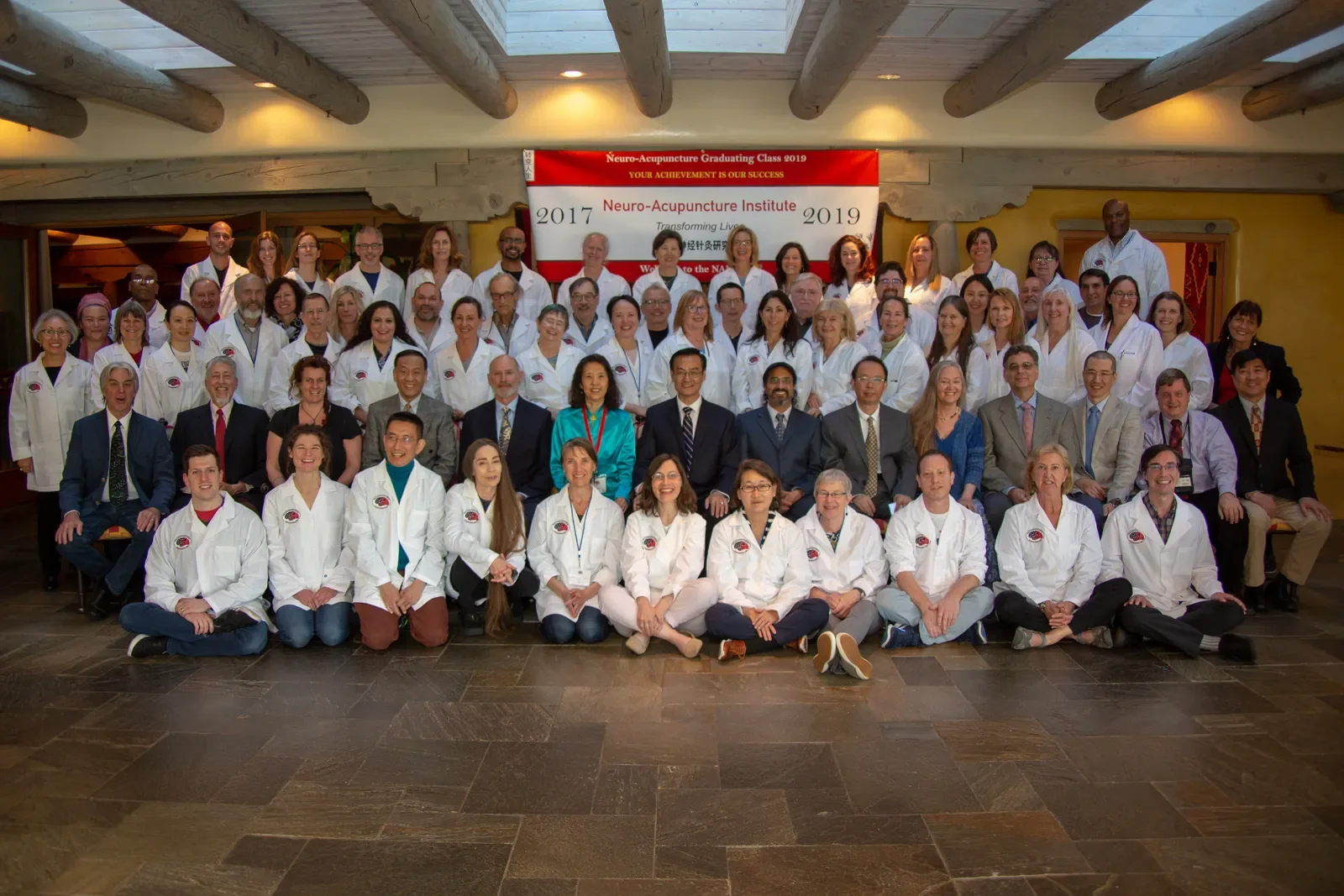
Graduation picture, 2019. Linda Hao is in green, to her (picture) right is Jason. Lok Kwan is right between them in the second row from the top.
Neuro-acupuncture is A safe, innovative and effective treatment for neurological problems
Neuro-acupuncture is a contemporary version of acupuncture that bridges the gap between ancient healing and modern brain science. Instead of focusing on general energy points, it specifically targets the central nervous system by stimulating areas - often on the scalp - that correlate directly with specialized regions of the brain. Practitioners view these sites as "neuro-acupuncture units," which are basically anatomical hotspots packed with nerves and neuroactive chemicals.
The benefits of this therapy are impressive, especially for people dealing with "stubborn" neurological issues:
1. Helping the Brain "Rewire" Itself
One of the biggest perks is its ability to boost neuroplasticity, which is the brain's natural talent for reorganizing its neural connections. This is a game-changer for recovering from nerve damage or brain injuries, as it helps the brain find new ways to send signals and regain function.
2. Neurological Recovery and Movement
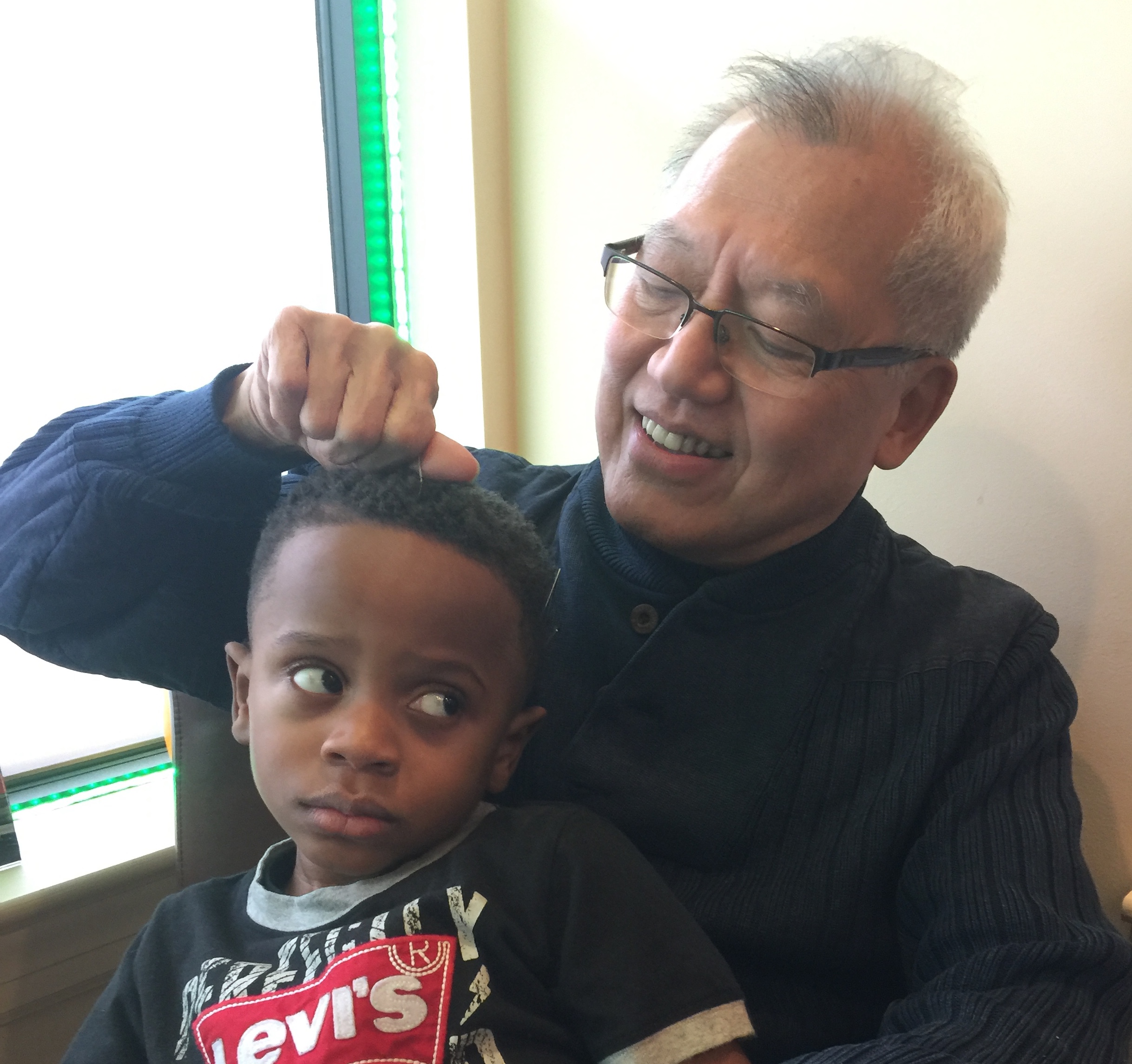
Neuro-acupuncture is widely used for stroke rehabilitation, helping patients regain the ability to walk or speak. For example, a technique called Tongue Tri-needle is specifically used to help stroke survivors recover their ability to swallow. It’s also effective for managing Parkinson’s disease, where it can reduce tremors and muscle stiffness.
3. Serious Pain Management
This isn't just for minor aches; neuro-acupuncture is used for chronic migraines, fibromyalgia, and neuropathy (nerve pain). It works by triggering the release of endorphins (the body's natural painkillers) and blocking pain signals in the brain. It has even shown success in treating phantom limb pain in veterans.
4. Balancing Your Body’s "Auto-Pilot"
The therapy helps regulate the autonomic nervous system (ANS), which controls the stuff your body does automatically, like breathing and digestion. By balancing the "fight or flight" (sympathetic) and "rest and digest" (parasympathetic) systems, it can help manage blood pressure, anxiety, and sleep disorders.
5. Mental and Developmental Support
Beyond physical movement, neuro-acupuncture is used to treat PTSD, autism, and depression. It helps "calm" overactive brain regions while strengthening the connections needed for emotional regulation and social interaction
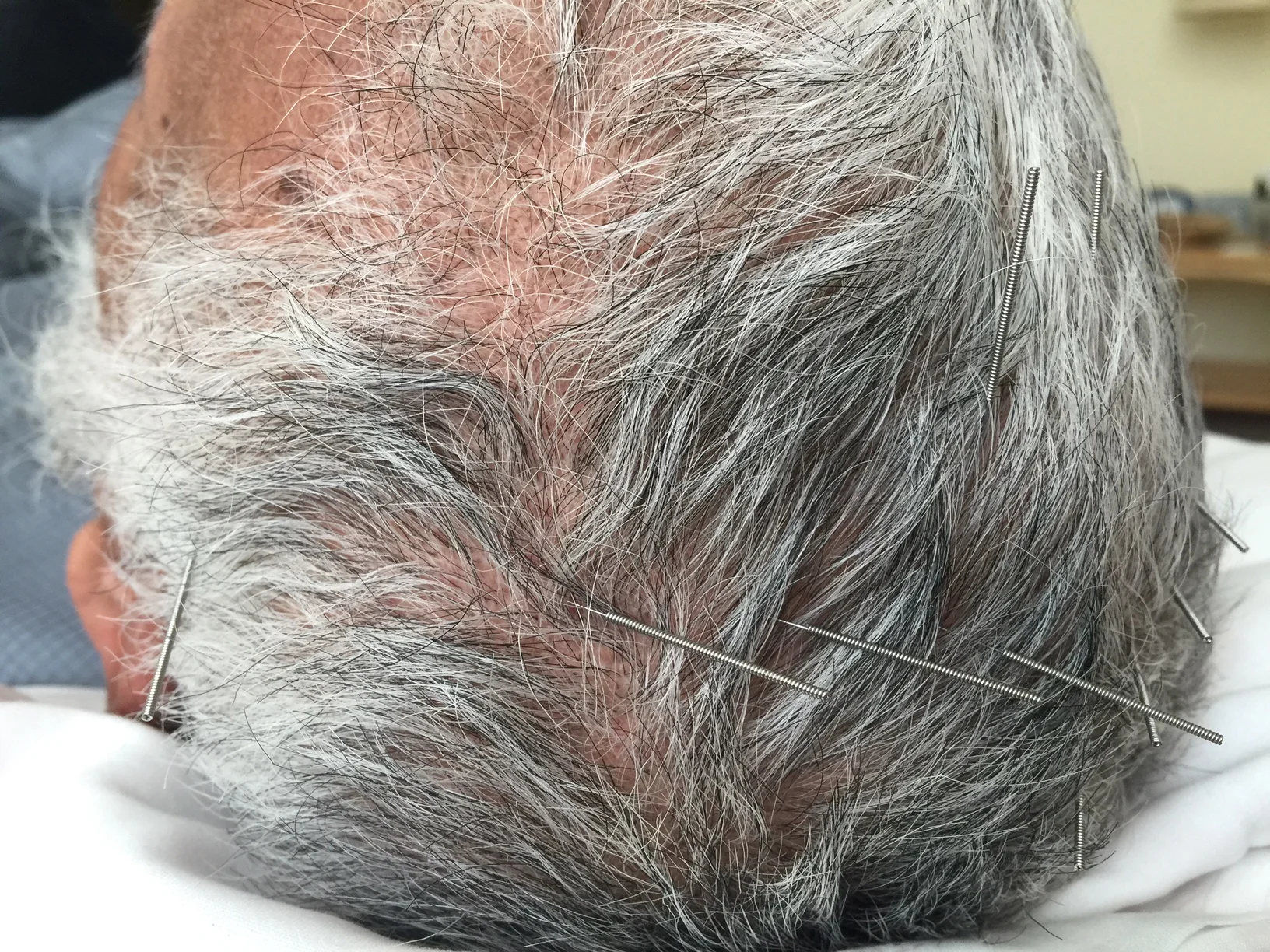
Neuro-Acupuncture integrates acupuncture with knowledge of brain and nervous systems functioning. It is safe, non-invasive and creates good results. An effective therapy for stroke rehabilitation, Neuro-Acupuncture helps many other problems, including Essential Tremor, Parkinson's Disease, Multiple Sclerosis, Traumatic Brain Injury, Migraines, Anxiety, Loss of Taste and Smell, Aphasia, Complex Regional Pain, and Long Covid issues.