My Journey in Ericksonian Hypnotherapy

As an undergraduate student at the University of Wisconsin-Madison, I majored in psychology and was evidently quite successful. I enjoy recounting the story of how my advisor encouraged me to apply for graduate school despite my lack of funds, leading to my acceptance into a Ph.D. track with a full scholarship. During the early 1970s, the clinical psychology program at Madison was strictly behavioristic, focusing on Pavlovian stimulus-response models. At the time, I served as a research assistant for bio-feedback projects, where I prepared subjects with electrodes and used computer monitors to help them learn to regulate their own heart rates.

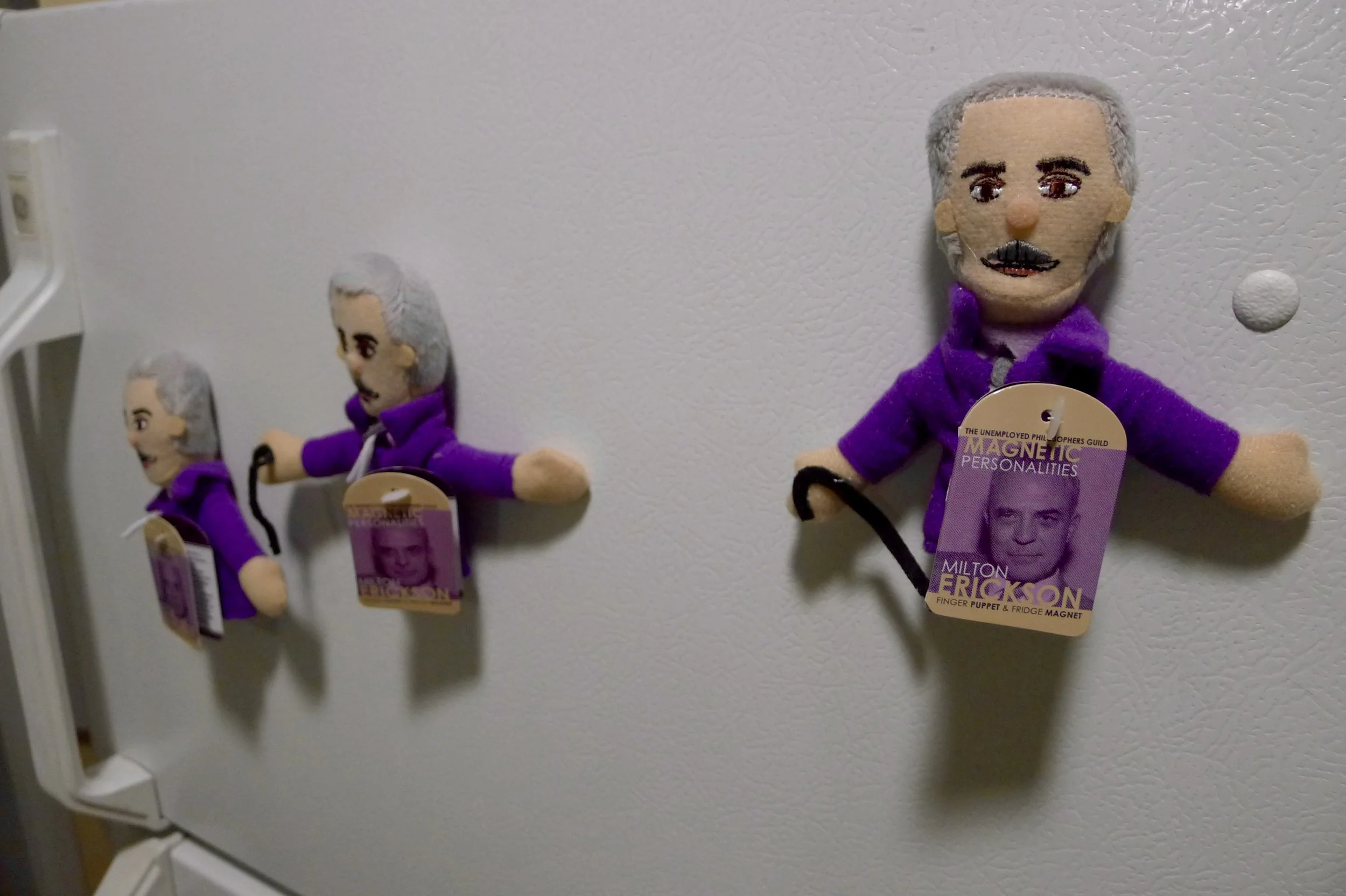
While I now recognize that bio-feedback has advanced significantly, my younger self was eager to work directly with people in a therapeutic setting, which led me to withdraw from the program after eighteen months. The 1970s were a period of rapid growth for emerging psychotherapies, and although the university did not offer such courses, I spent much of my time studying the work of Milton Erickson with fellow students.

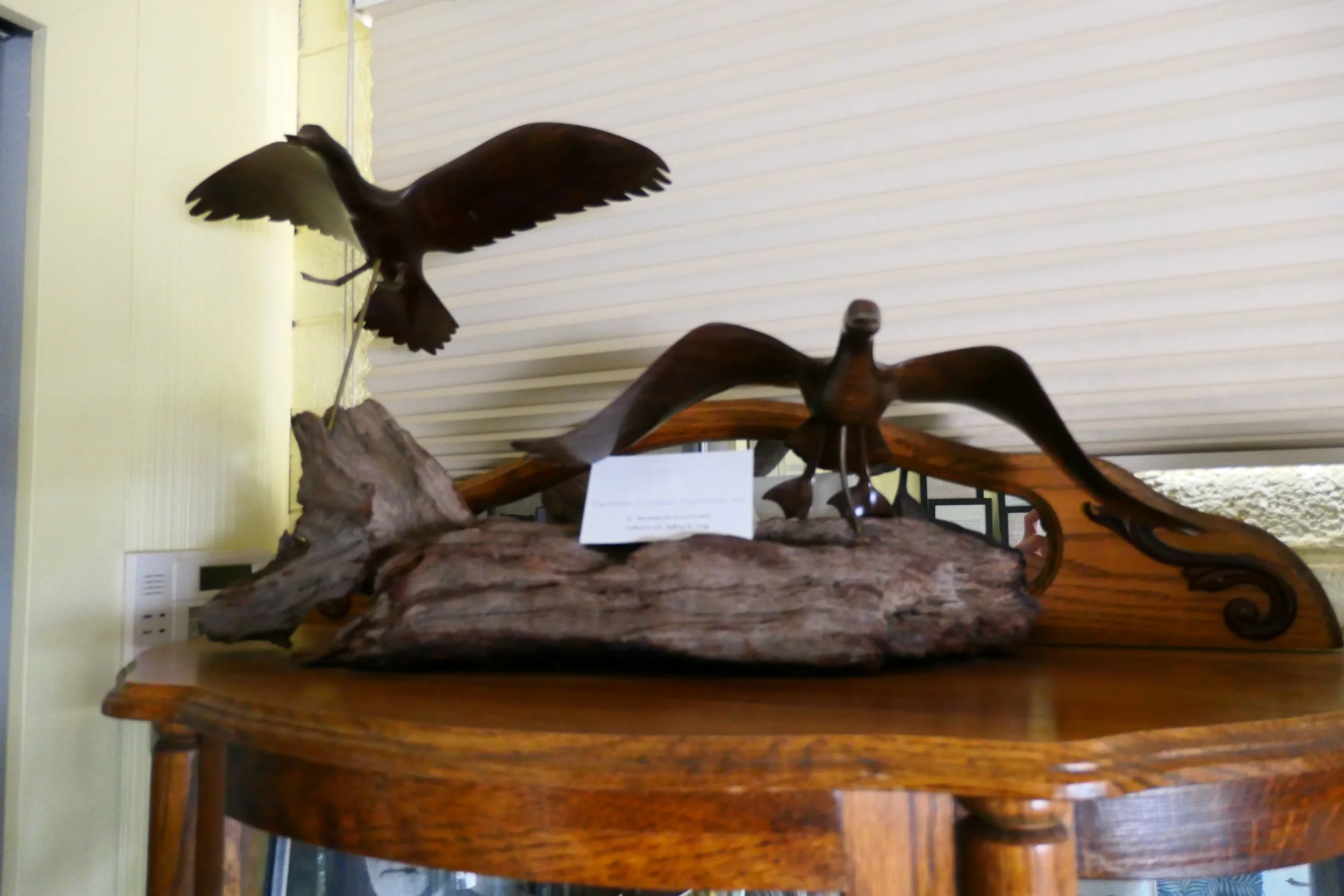
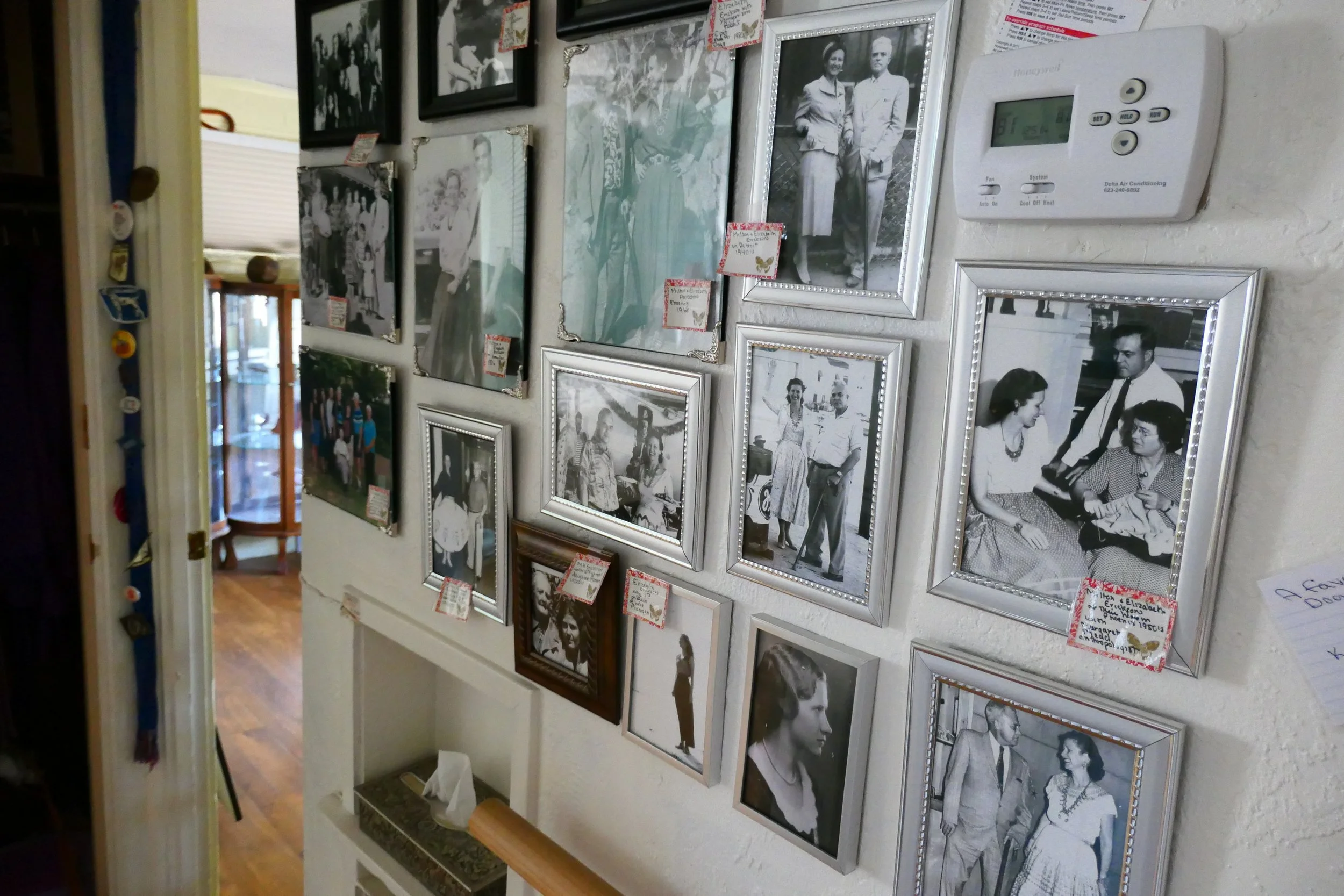
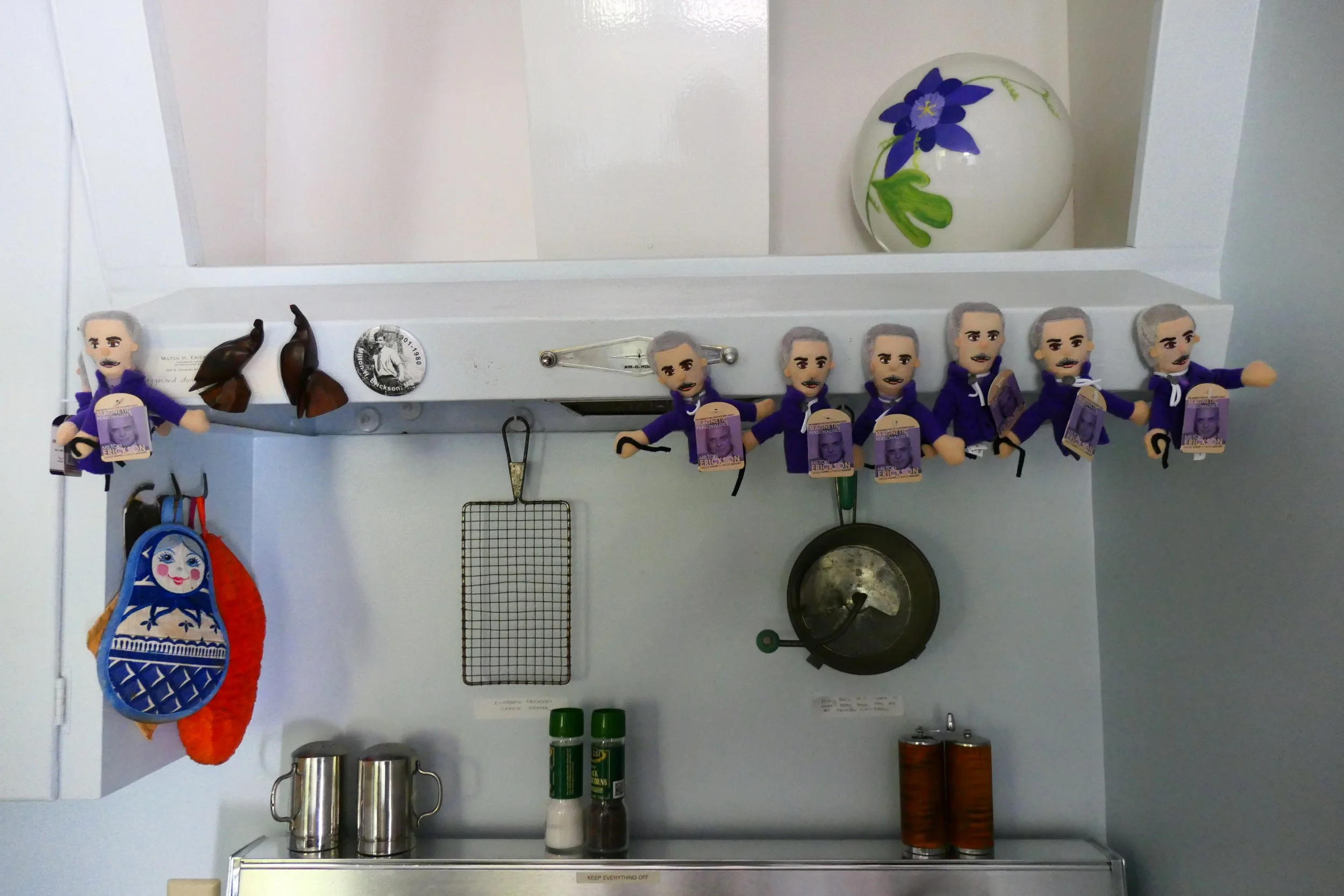
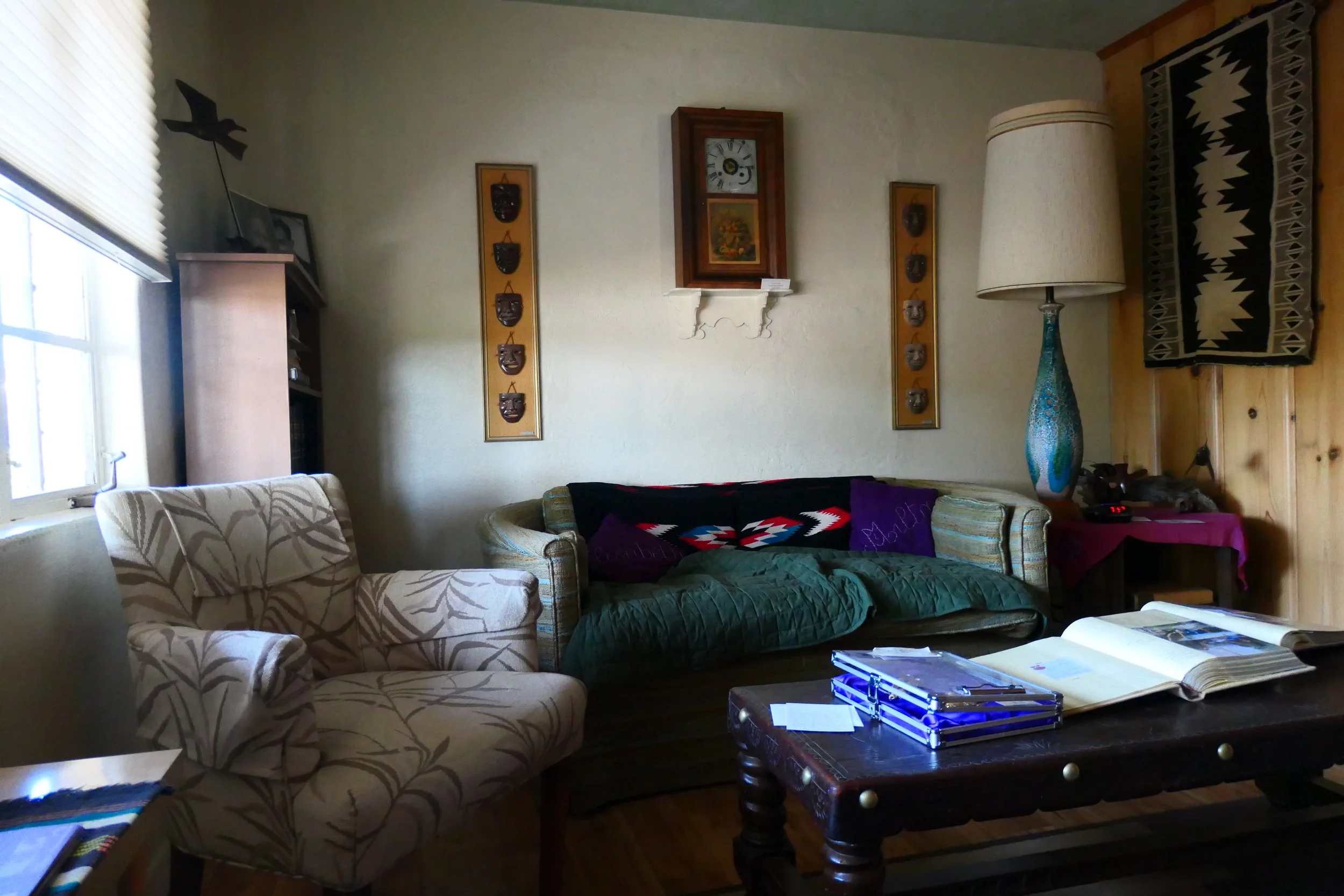
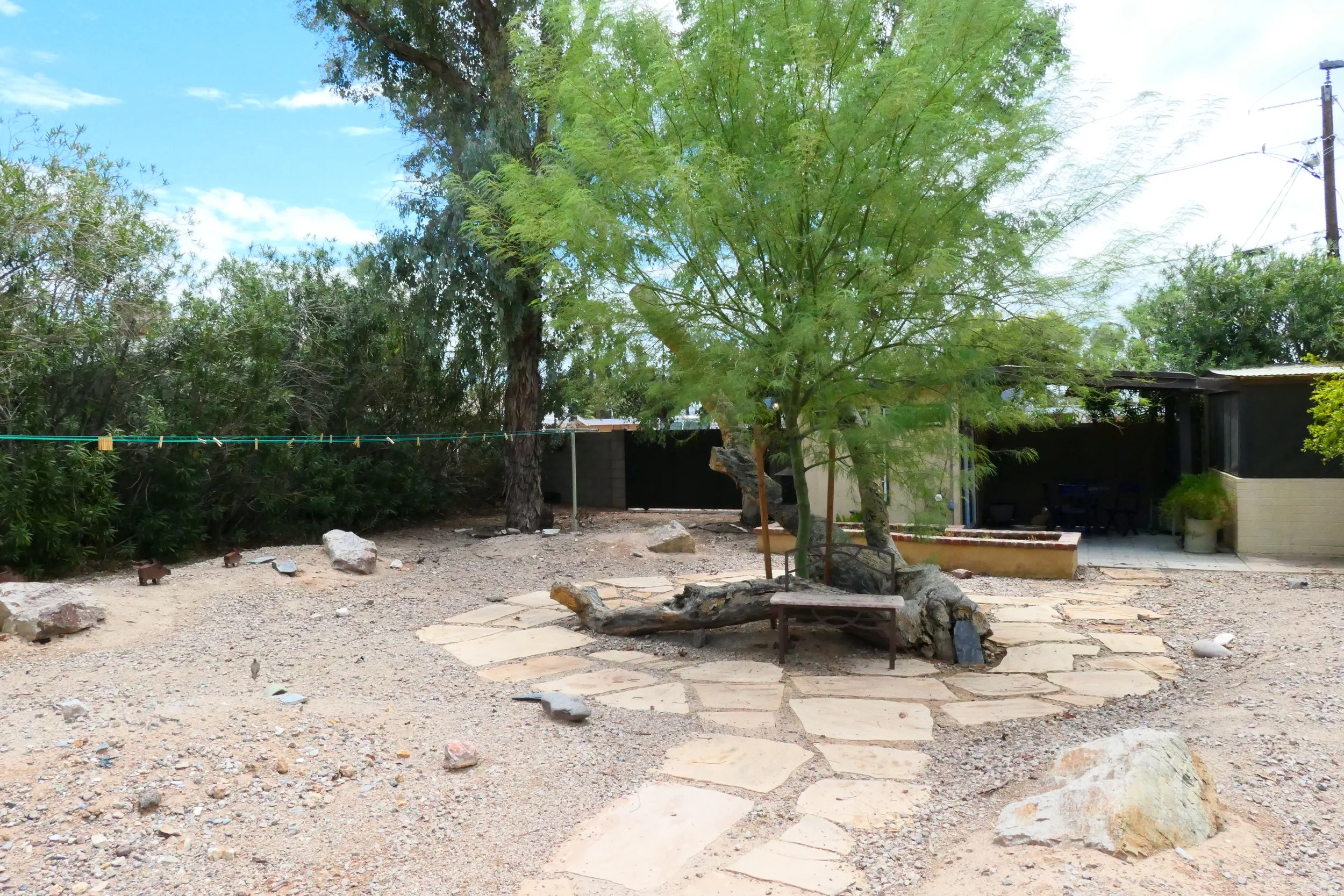
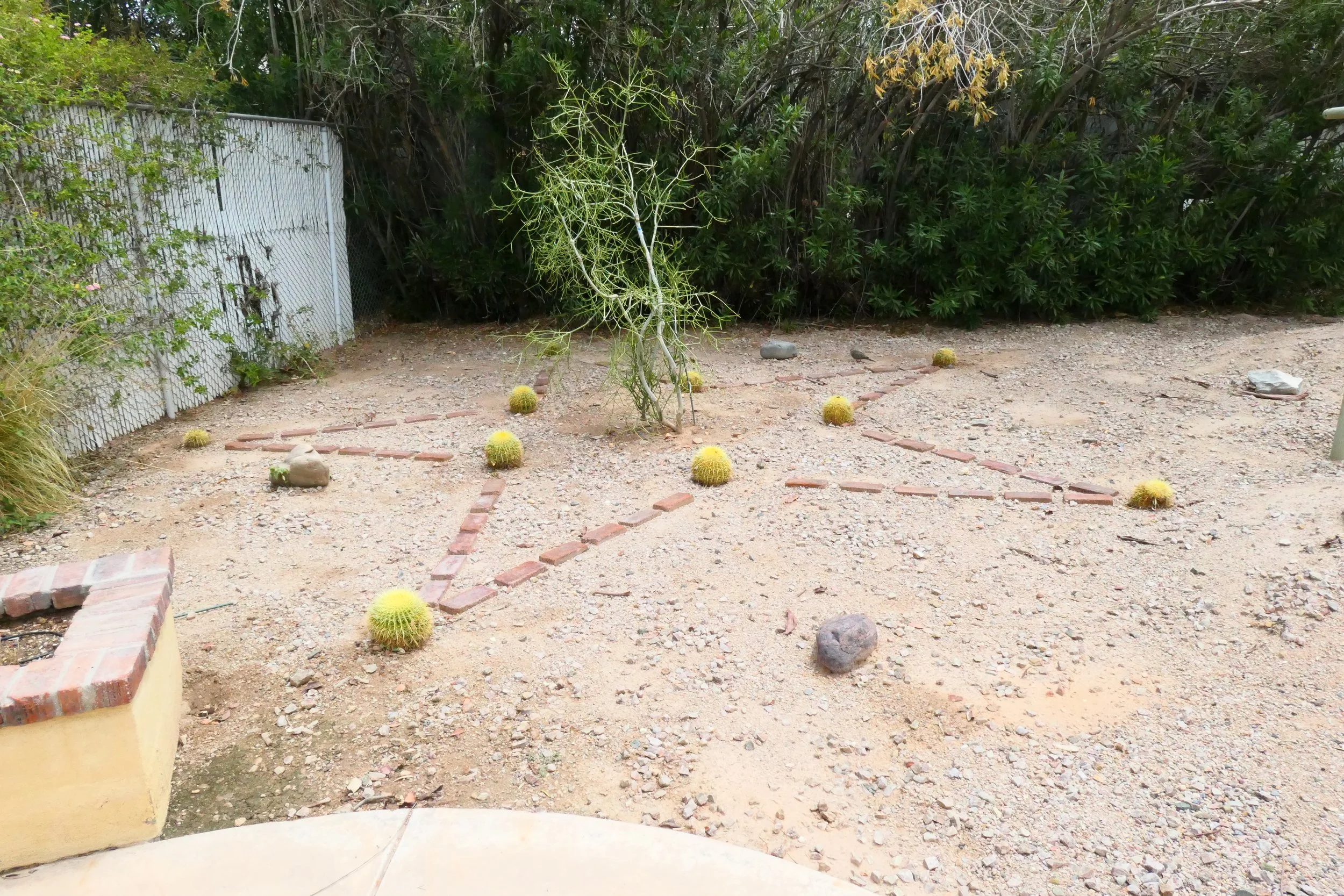
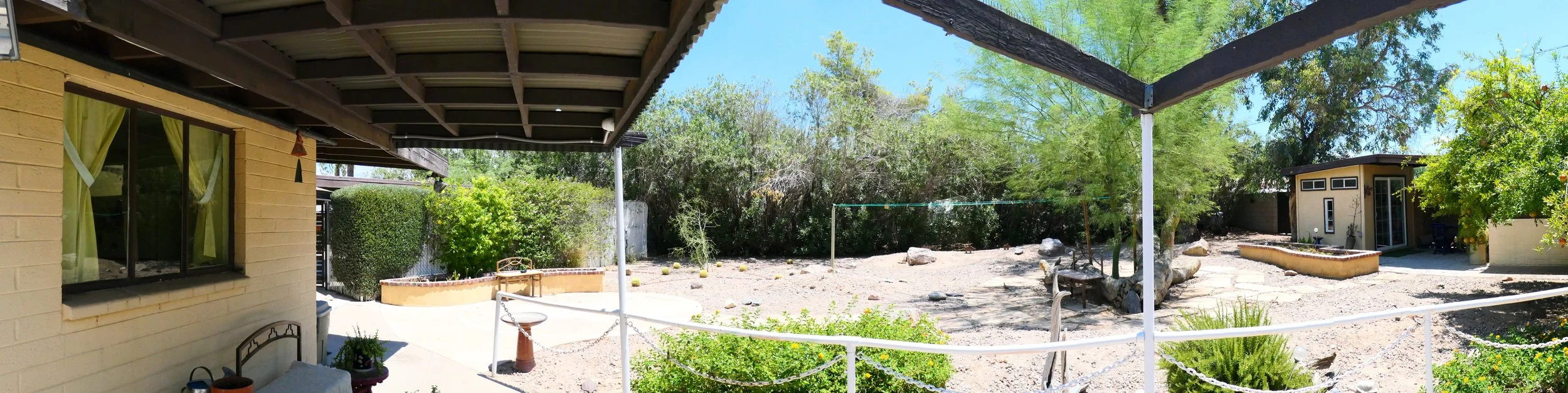
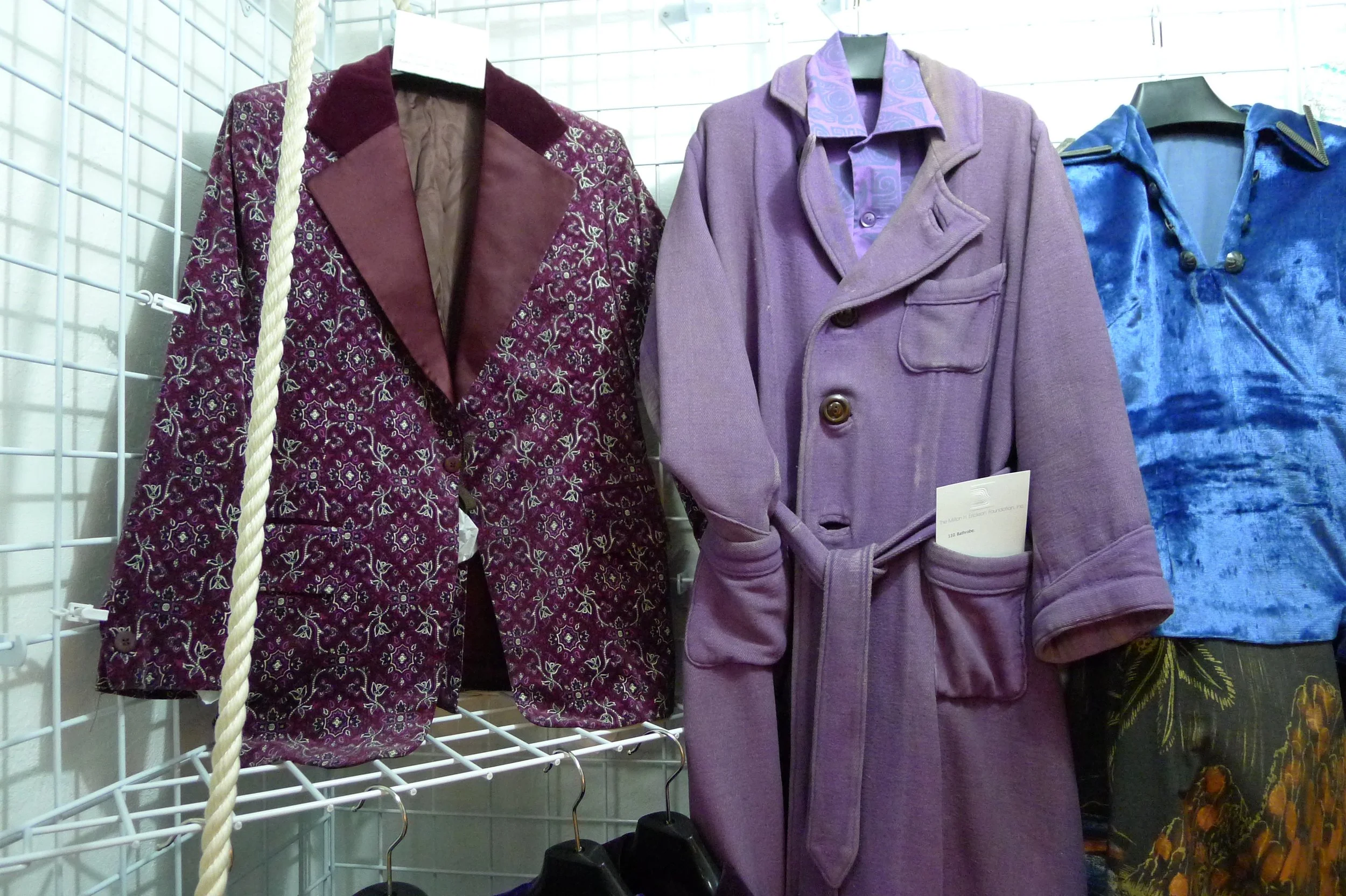
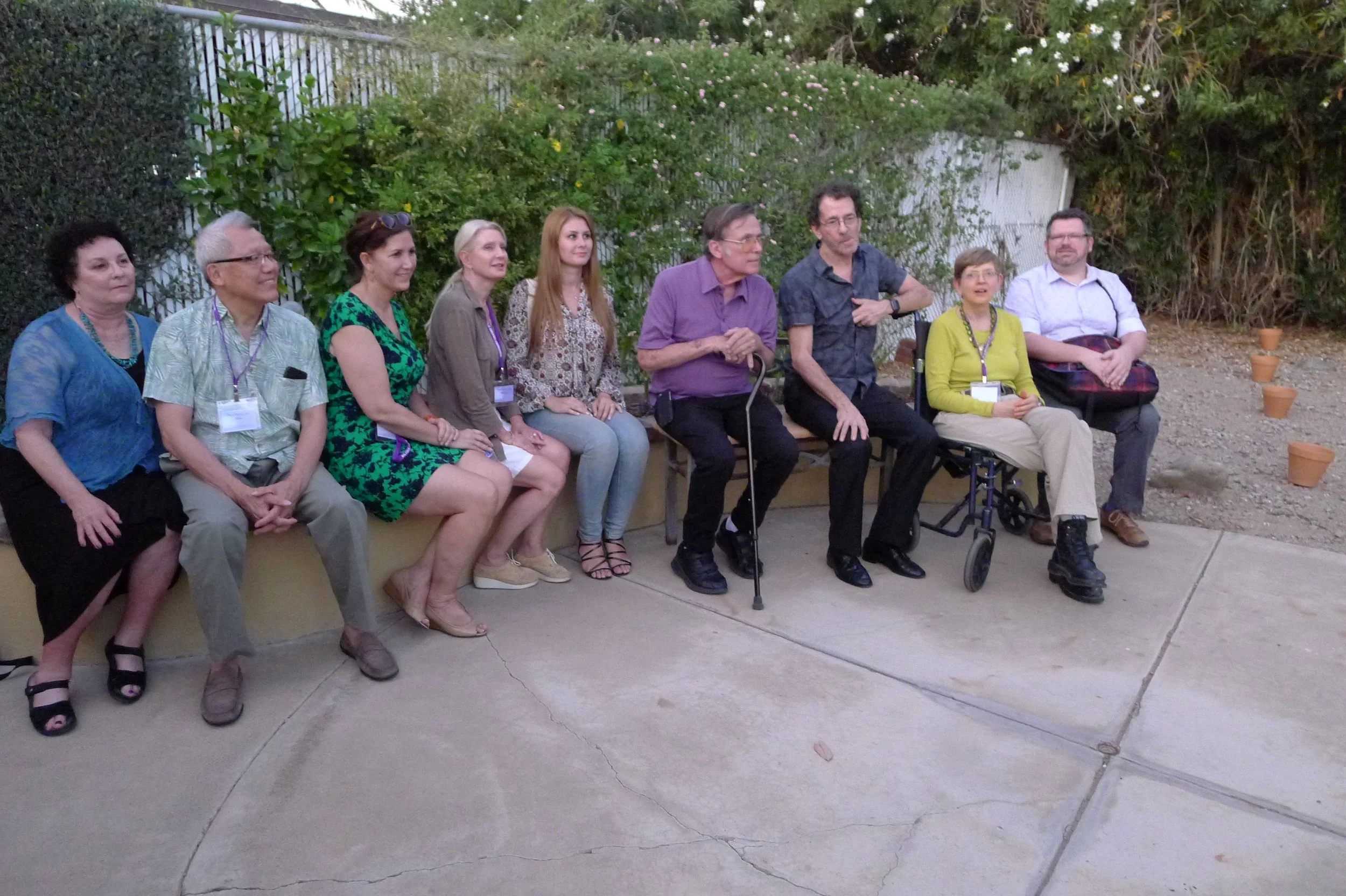
Years later, while practicing acupuncture, I observed that many patients naturally entered trance-like states during their treatments. They often experienced a distorted sense of time and space, which are common phenomena associated with hypnosis. These observations inspired me to combine acupuncture with hypnotherapy to achieve superior therapeutic results. Consequently, from 2016 to 2019, I attended intensive training sessions at the Milton Erickson Foundation in Phoenix, culminating in a seminar with Jeffrey Zeig held at Milton Erickson’s home which is also the Milton Erickson Museum. Although all the other attendees were seasoned psychotherapists, I was unique in my background as an acupuncturist.
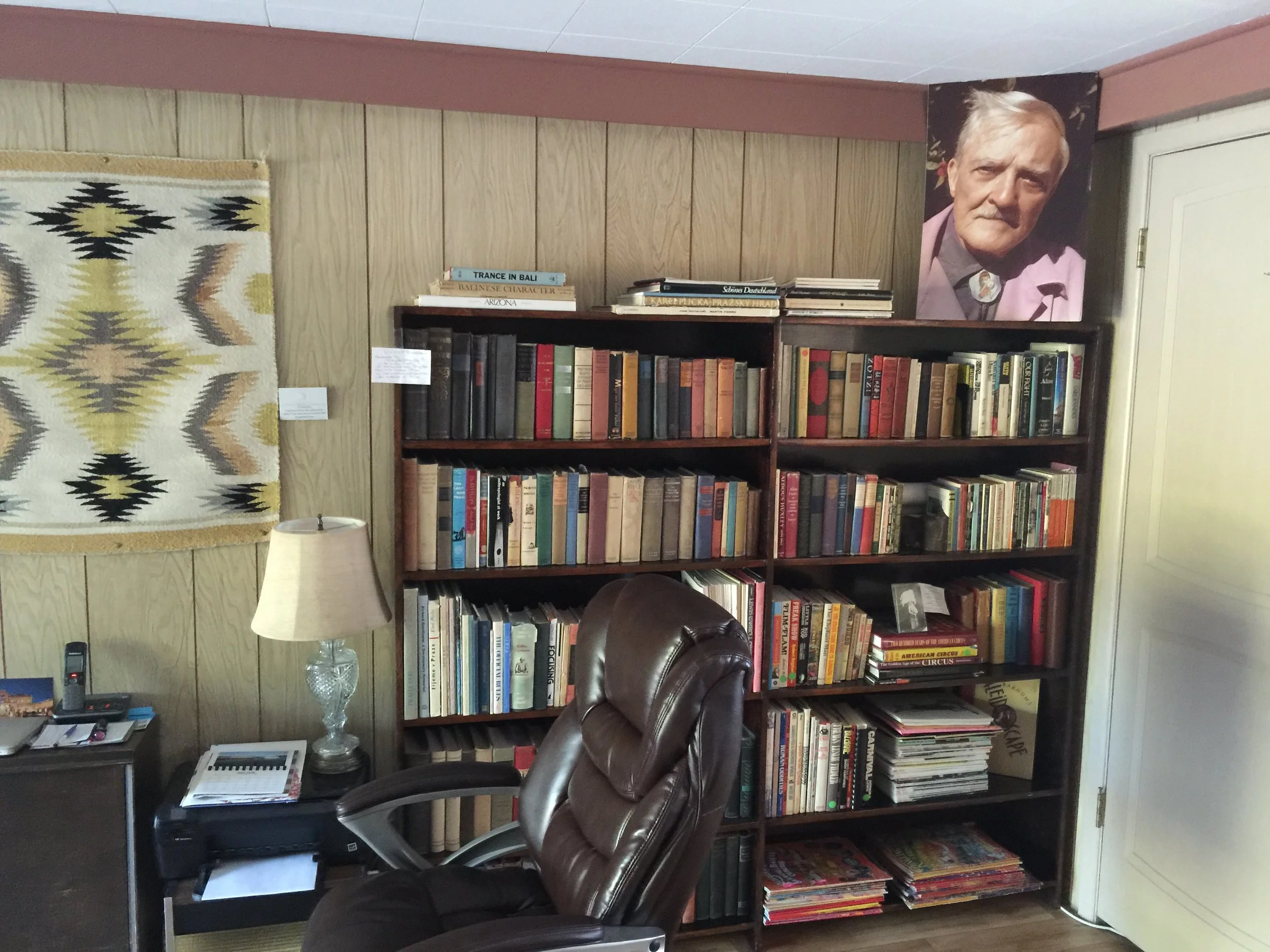
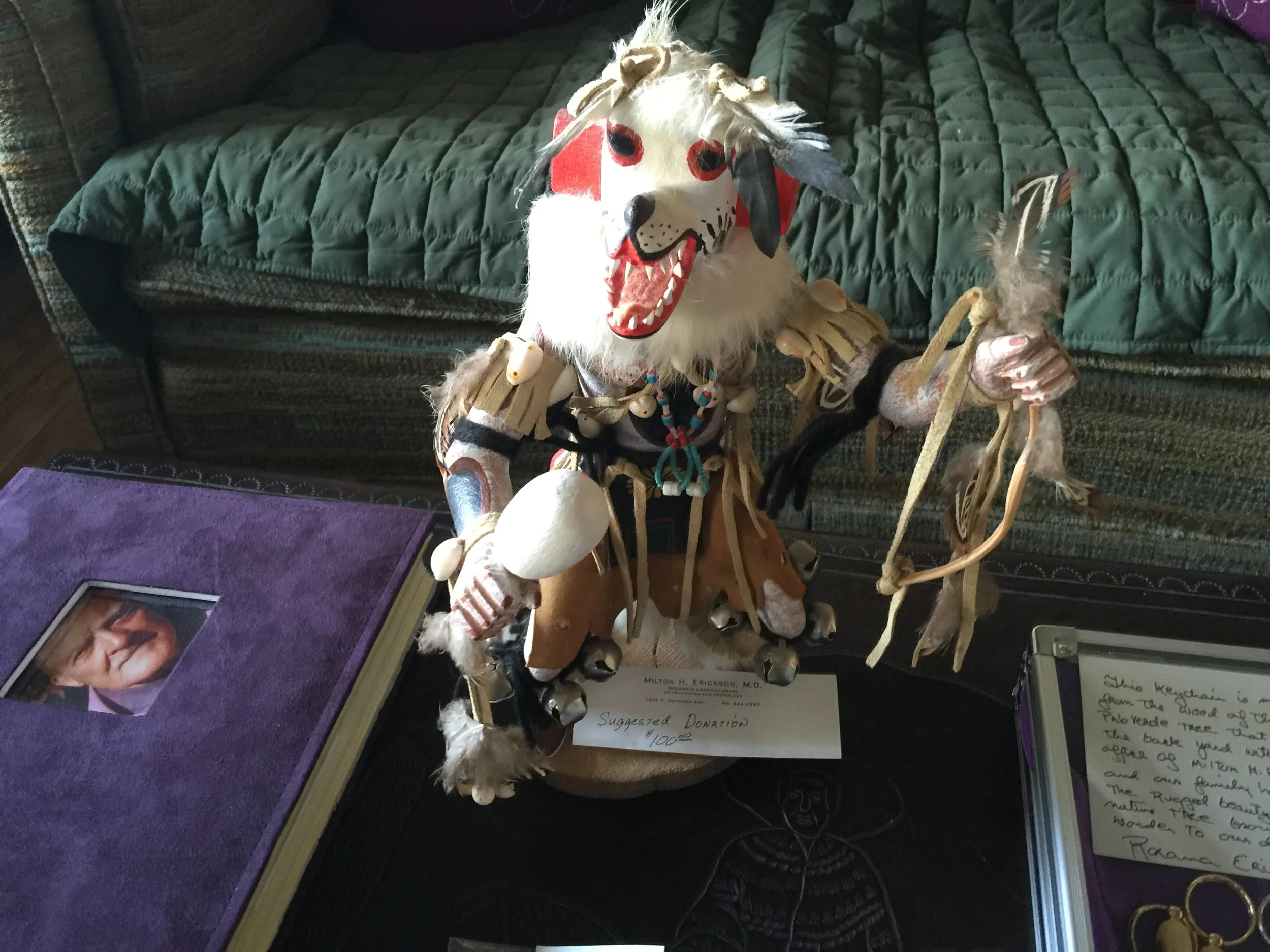
My experience with the Milton Erickson Foundation proved to be one of the most profound and enriching periods of my life, and I now apply these lessons to my daily practice. Unlike traditional "show" hypnosis, which relies on authority and commands, the Ericksonian approach is a collaborative and conversational process. It guides patients into a state where they are liberated from negative psychological patterns, creating an environment where healthy changes in ideation and behavior become possible.
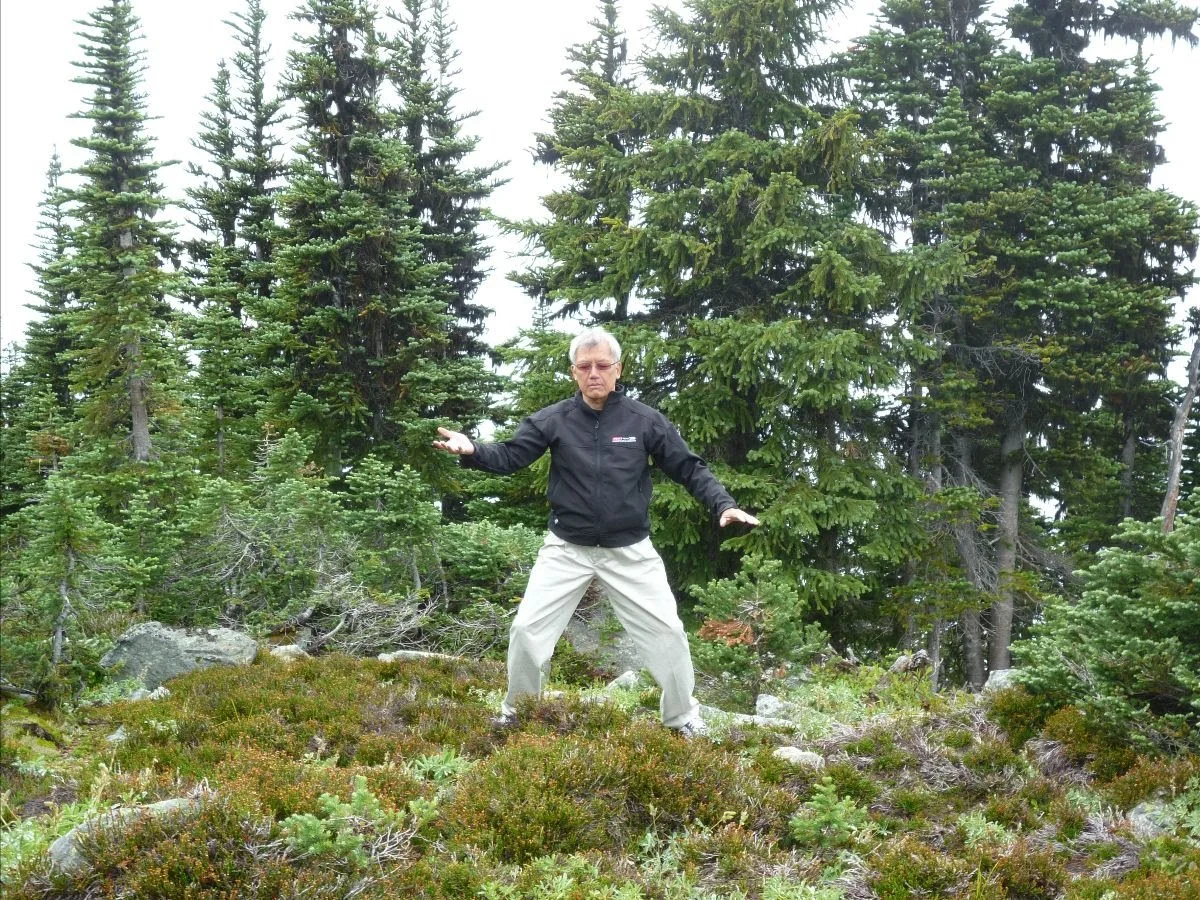
Eight Section Brocade Qigong

Eight-Sectioned Brocade may be the most popularly practiced form of Qigong. It courses Qi in all the channels and benefits all the organs. You do not need to understand anything about Qi: this practice will lead you to that understanding.

Eight-Sectioned Brocade (Ba Duan Jin) has a long history. It was popularly practiced and already documented in texts as early as the Song Dynasty (1150’s). There are two main styles of practice: Sitting Ba Duan and Standing Ba Duan. Sitting Ba Duan is also called the Wen (文) style and Standing Ba Duan the Wu (武) style. Wen means scholarly, Wu means martial. Here Wen Wu don’t have anything to do with creating literature or fighting: Wen and Wu are stand-in terms for Yin and Yang. Yin is more internal with less body movements. Yang is more external with more body movements.

Standing Ba Duan is further differentiated into a Southern School and a Northern School. Southern School Ba Duan Jin has simpler movements and lower degree of difficulty. Northern School has more complex movements and higher degree of difficulty.

Heaven & Earth

Videos found on the internet are mostly Southern School style, with rather simple movements and lots of repetitions. The style that I teach is Northern School style. There is more use of the horse stance and movements are more intricate with a higher degree of difficulty. There are also no repetitions. It serves the purpose of Ba Duan Jin well: a complete system of movements for renewing and strengthening both the physical and energetic body, benefitting all the organs, promoting balance and coordination, and uniting the three realms of heaven, earth, and human.

Dragon Gate Has A Fish Story

UNLIKE ITS COUNTERPART IN WESTERN MYTHOLOGY THE CHINESE DRAGON FLIES IN THE SKY AND IS A SYMBOL OF THE SUPREME YANG.

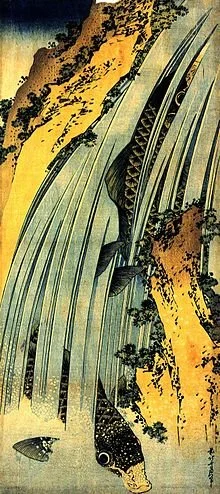
Dragon Gate was located at the very top of a series of waterfalls. Carps struggled hard to reach it but inevitably were beaten down by the currents. Maybe a few of the most determined ones made it to the top and leapt over the Dragon Gate. They immediately turned into dragons and flew into the sky. It is a story of persistent effort, transformation, and transcendence.

There are several Dragon Gates located in different provinces in China. The one where our Qigong form came from is in Shaanxi. Qiu Chuji, founder of the Dragon Gate sect of Taoism, lived and practiced for over ten years in the grottos there, hence the name Dragon Gate Qigong.

Qiu Chuji was also remembered for traveling to meet Genghis Khan at his invitation. Genghis Khan was interested in medicine for immortality. Qiu Chuji taught him practices for prolonging life but told him there was no elixir for immortality.

Can't live forever but living healthier and longer and attaining some degree of transcendence is definitely possible. Dragon Gate Qigong is one way.

Leap over the gate, turn into a dragon, fly into the sky!